4 Benefits of Color Therapy:
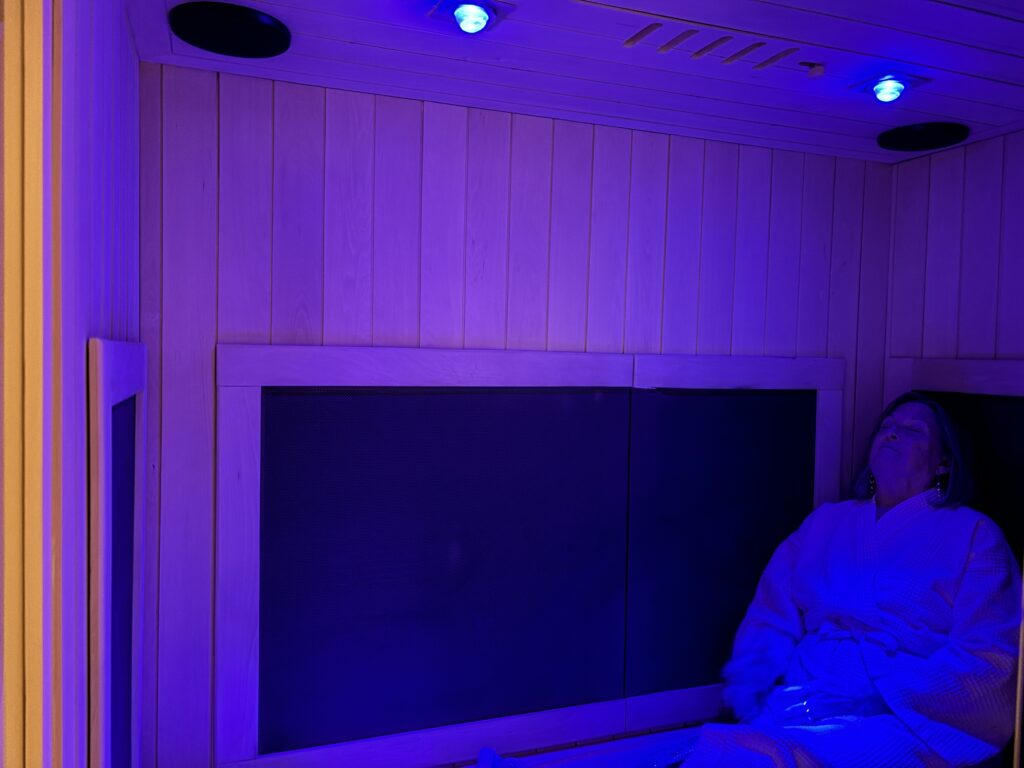
Also known as chromotherapy, color therapy is based on the idea that color and colored lights can help treat physical or mental health. Think about it–we see colors everywhere, all the time. Wearing particular clothes, looking at specific images, and using colored light bulbs can affect many things throughout the day.
- Stress Management: Color therapy helps you reduce the effects of stress through its mood-boosting properties. You can adapt color therapy practices by simply changing the colors in your surroundings. Colors like blue and green are often associated with calming and relaxing effects.
- Improved Sleep– Chromotherapy can help individuals identify specific colors that make them feel more relaxed at night, positively impacting their sleep patterns. The color yellow is excellent for having uplifting and energizing effects. The best color for helping you sleep is red, especially an orange-sunset red, warm and extremely calming. Exposure to blue light can negatively impact your sleep quality.
- Energy Rejuvenation– Happy, bright colors can help a person feel more rejuvenated because they increase mental brain activity. Therefore, individuals are more energized and ready to go about their days. The color yellow is excellent for having uplifting and energizing effects.
- Reduce Aggression– Color therapy creates environments that promote calm and happiness rather than aggression, helping to reduce anger. Try incorporating pops of bright colors, like yellow or orange, into your daily life.

About Us
About Thrive Our Therapists Booking, Refund, Exchange & Cancellation Policies Privacy PolicyPlease find our business hours below 👇
Hours
Weekdays: 10 AM-7 PM
CLOSED TUESDAYS for deep cleaning
Saturday: 9 AM-6 PM
Sunday: 10 AM-6 PM
Events timing as listed here.
© 2026 Thrive Massage & Wellness | SEO by Alex Furfaro SEO Consulting.
Featured Offers